Startup Costs For A Home Renovation Company | How To Estimate Accurately
To start a home renovation business, you need solid cash planning from day one. Many new owners miss hidden costs that can sink them early.
Smart planning means covering must-haves first and always saving extra for surprises. This helps you spend right, so your business keeps going strong. Knowing where your money goes makes all the difference.
Getting Your Renovation Business Started Right

Licenses
Before you take your first client, you need the right licenses and insurance. This isn't optional, it keeps you legal and helps clients trust you. You'll pay to register your business.
This fee varies by state but usually falls between $50 and $500. Getting your contractor license costs more, typically $200 to $1,000. This includes exam and background check fees.
Insurance
Insurance is essential protection. Basic general liability coverage starts around $1,000 per year. If you hire workers, you'll also need workers' compensation. This runs $2,000 to $5,000 yearly, depending on how many people you hire. A bond ($300 to $1,000) protects clients if work isn't done right.
Skipping these steps is risky. You could face fines or even get shut down. It's smart to set aside 10-15% of your total startup money just for licenses and insurance. Getting this right from the start gives your business a solid foundation.
Essential Tools And Equipment
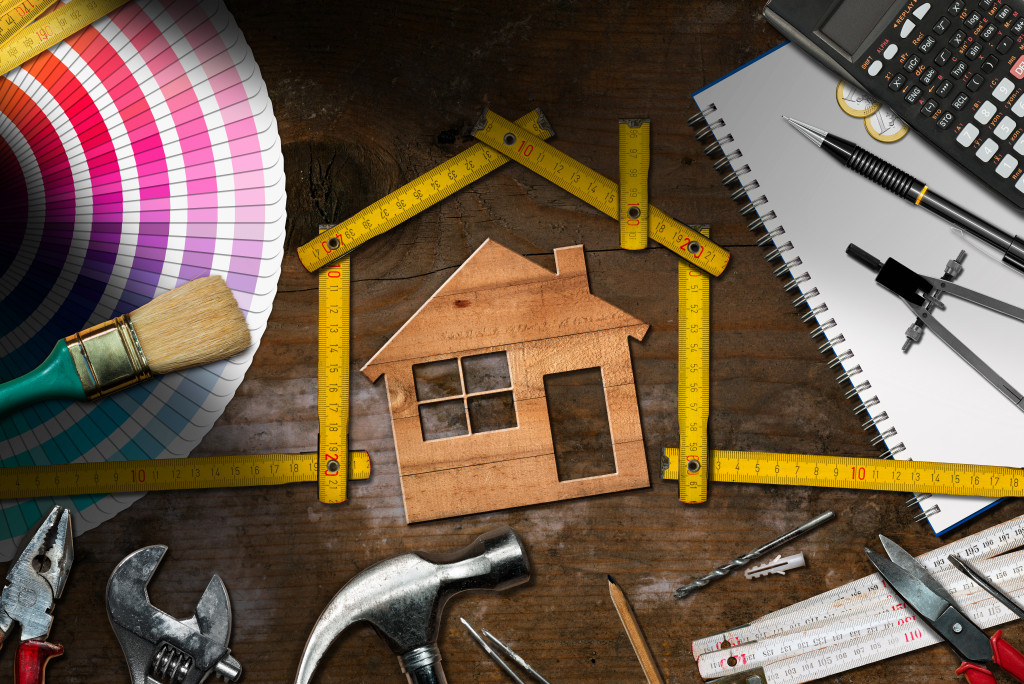
Starting a home renovation business means buying solid tools. Good power drills, saws, and basic gear usually run $5,000 to $10,000. Add tile cutters or other special tools, and that’s another $2,000.
Leasing tools slashes that huge first payment. Never skip safety gear like harnesses, it’s $500 to $1,500 per worker. Simple maintenance kits make tools last longer, avoiding early replacements. This matters because tips for maintaining your homestarts with reliable gear in your own hands.
Quality tools upfront save headaches later. Buying in bulk usually gives 10-20% off. Remember: tools and gear eat 20-30% of your startup budget. It’s a big piece, but solid equipment keeps jobs running without hiccups, you’ll be glad you invested.
Reliable Work Vehicle
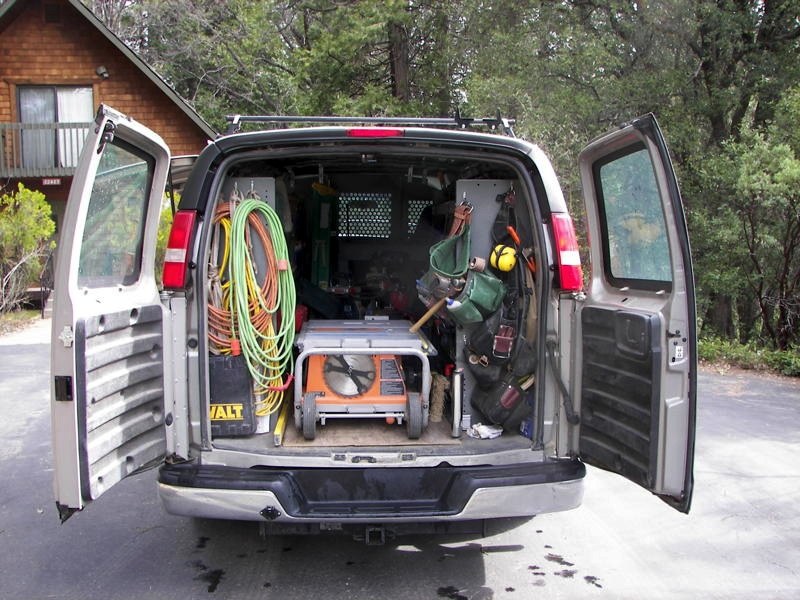
A good work van gets you to jobs on time with tools and materials. Used vans cost from $15,000. New ones with special setups run over $40,000. Choosing a fuel-efficient model saves you 15-20% on gas over time.
You'll pay $1,000 to $2,000 yearly for business insurance. Set aside about $500 each month for repairs and tires. Adding your business name and logo to the van costs around $2,000 but makes it stand out.
Bigger crews need more vans, but having reliable transport is key. Leasing can help keep cash available for other things. Plan to use roughly a third of your startup money for your vehicle.
Marketing And Branding

You need customers to know you exist, especially in busy renovation areas. A solid website costs $2,000 to $5,000. Running social media adstargeting local homeowners runs about $500 a month.
Initial business cards and flyers cost around $300. Spending $1,000 on SEO helps people find you online. Attending local networking events for leads costs $200 to $500 a year.
Good marketing can bring in 20-30% more clients your first year. Focusing online keeps costs lower than old-school ads. Put about 10-15% of your startup cash into building your brand.
Digital Tools And Software Integration

Basic 3D design software runs $1,000 to $3,000. Adding CRM tools for client tracking costs about $500. Training staff on these systems is roughly $300. Yearly cloud backups keep your data safe for $200.
Benefits
These tools save real time cutting work hours by a quarter. They grow as your business grows. Free alternatives exist if you're starting small. Plan to spend 5% to 8% of your budget here to keep things running smoothly.
Good software helps home renovation businesses run efficiently. QuickBooks for accounting costs about $300 a year. Project apps like Buildertrend run $1,000 to $3,000 yearly. Startup kits for small business ownersoften include basic templates and software suggestions that align well with these needs. Cloud storage for safe files is $200, and training per person costs $300. Using these together saves 40% on paperwork time.
Cash For Daily Costs
Utilities
You'll need $500 monthly for essential services. This covers electricity, water, and reliable internet. Without these, your office can't operate daily. Pay this first to avoid service interruptions. Budget it consistently, it never gets skipped.
Supplies
Reserve $200 each month for practical items. Think tools, cleaning materials, and printer paper. These small purchases add up quickly if unplanned. Buy in bulk for common items to save time. Track every receipt to stay within budget.
Staff Wages
Allocate $5,000–$15,000 monthly for your core team’s pay. Start with 2–3 key hires like project managers. Paychecks must go out on time, no exceptions. Factor in taxes and payroll processing fees too. This is your most critical monthly expense.
Your Cash Buffer
Save $10,000–$30,000 to cover three months of bills. Add 10–15% extra for sudden material cost spikes. Use this only for emergencies like slow payment cycles. Never dip into it for new equipment or marketing. Replenish it immediately after any use.
This cash reserve prevents panic during dry spells. Slow seasons or delayed client payments won’t stop operations. You’ll pay staff and suppliers which builds trust.
Training Your Crew
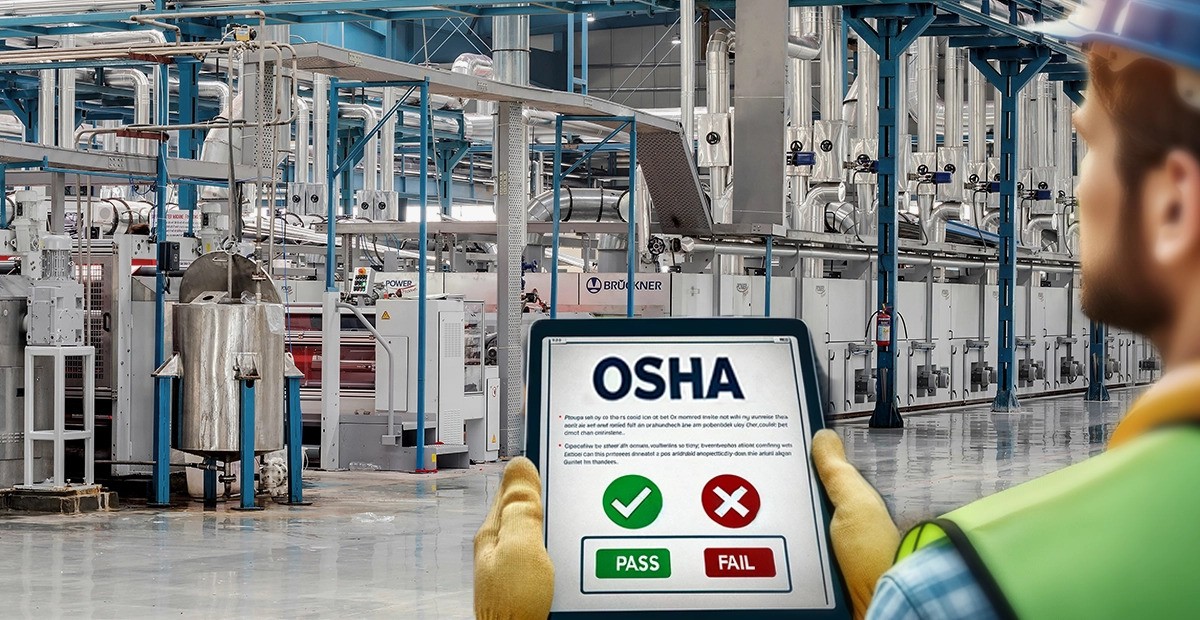
Good training means better renovations. Safety certs like OSHA run about $200 per person. Skill classes for carpentry cost $500 to $1,000.
You’ll spend $300 yearly to keep everyone updated. Lead-safe certs add $400. Group training cuts costs by 20%.
Certified workers can charge more, boosting your profits. Staying compliant teaches how to avoid legal trouble in businessand saves cash. Set aside 5-10% of your budget here, it keeps you competitive.
Working With Others
Team up with suppliers to lower material costs by 15-20%. Networking events cost $500 to $2,000 a year. Referral programs cost $300 to run.
Subcontractor agreements need $1,000 for legal work. Industry group fees run $200 to $500. These connections bring in more projects.
Strong relationships mean less marketing over time. Partnering lets you handle more types of jobs. Put 5-10% of your budget into building these ties, it pays off.
How To Calculate The Startup Costs For Your Company
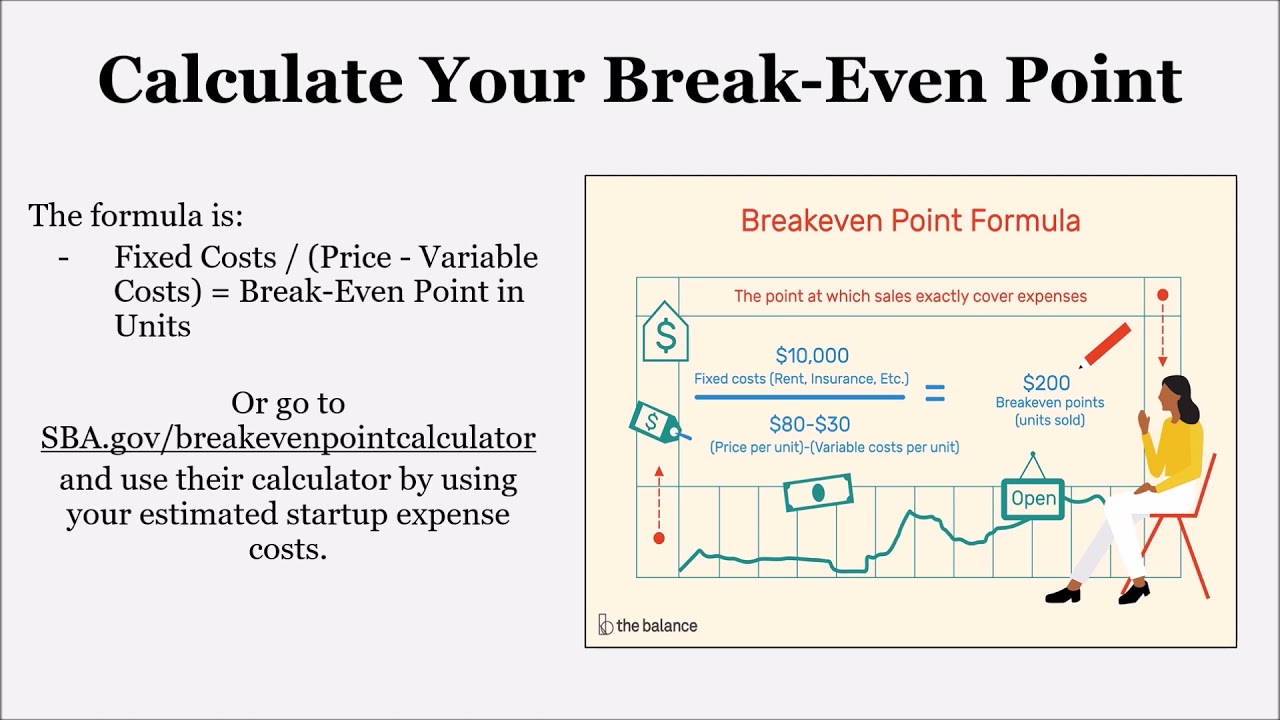
Calculating Your Small Business Startup Costs
First-time Costs Vs. Regular Bills
When starting a home renovation business, know the difference between first-time costs and regular bills. First-time costs are things you buy to get going like tools, a work truck, or business licenses.
Regular bills happen monthly, like insurance, gas for your truck, or supplies for jobs. If you work from home, skip rent but still budget for phone bills and truck repairs. This split shows how much cash you need right now versus what you’ll spend keeping the business alive the first year.
Must-Have Startup Costs
List everything you need to launch. Start with tools ladders, saws, safety gear. Good ones cost a few thousand dollars. A work truck runs $20k–$50k used or new.
Legal stuff like setting up your business name and contractor licenses, $500–$5,000 depending on your state. Don’t skip insurance or bonding, it protects you if something goes wrong. Budget $500–$2,000 yearly for basic coverage, plus the first payment upfront.
Smart Ways To Plan Spending
Focus on what’s essential first: licenses, insurance, basic tools, and a reliable truck. Skip extras like fancy websites or big ad campaigns until you have paying jobs.
For example, spend $1k–$3k on a simple website and business cards instead of $5k. Buy versatile tools that work for many jobs like a good drill before specialty items. If cash is tight, buy used tools or rent heavy equipment at first.
How To Avoid Running Out Of Cash
Add 10%–20% to your startup total for surprises like a broken tool or a late permit fee. Talk to other renovators for real cost tips; their numbers beat guesswork. Use a free spreadsheet to track every dollar. And get an accountant early, they’ll spot tax savings on tools or trucks that put cash back in your pocket.
FAQs About Start-up Costs For A Renovation Company
What Stuff Will I Actually Need To Buy First?
You'll pay for licenses (a couple thousand bucks), tools (around $7k–$15k) and a work truck ($23k–$46k). Set aside $4k–$12k for ads and a basic website. Software for estimates and scheduling runs $1k–$7k.
How Much Cash Should I Have Saved Up Before Starting?
Save enough to cover 3–6 months of bills. Most new renovators need $15k–$60k sitting ready. This pays for gas, supplies and your own living costs while jobs trickle in. Toss in 10% extra for surprises like a sudden truck repair or permit delay.
Can I Really Start With Almost No Money?
Use tools you already own. Borrow a friend's truck or rent vans per job. Skip fancy ads; post free on Facebook and talk to neighbors. Take small gigs like bathroom updates first, not whole-house remodels. Pay for tools as you earn.
Why Bother With Insurance Right Away?
A single accident or leaky pipe could cost you everything. Basic coverage runs $1k–$3k a year, cheap compared to lawsuits. Clients won’t hire you without it and some states fine you for skipping it.
How Much Should I Spend On Tools?
Tools eat up a big amount of money like $7k–$15k. But don’t blow cash on shiny extras. Start with a solid drill, saw, ladder and safety gear. Buy used or rent heavy stuff like tile cutters.
What’s The Real Deal With Advertising?
Plan to spend $4k–$12k upfront for a simple website and local ads (like flyers or Facebook boosts). Skip TV commercials talk to past clients for referrals and post before/after pics online. A clean van with your name and number works better than expensive billboards.
Final Thoughts
Starting a home renovation business costs money right away and how you spend it really matters. Spend wisely on permits, good tools and enough cash to cover early bills. If you plan carefully from the start, you'll handle problems better.
Think about where you'll work and how big you want to grow when figuring your costs. Smart spending now helps your business grow steadily. Be honest about your budget when you launch so you can keep your doors open long term.
Also Check Out: Step-by-step Guide To Starting A Home Business