Business Startup Kits Connecticut | 32 Key Resources For Easy Launch
Connecticut makes starting a business easier. The state organizes support through government teams and state-supported groups, working closely with universities.
Small and medium businesses get grants and loans that fit their needs right away. Fast-growing tech companies benefit from tax credits and connections to investors. You'll also find many shared offices and labs for all kinds of work.
How Connecticut Helps New Businesses Start And Grow
1. Decd
The state uses flexible non-profit groups instead of slow government offices to drive business growth. The main contact is the Department of Economic and Community Development (DECD).
Their Small Business Office guides owners through all the available help. They offer a simple checklist for new businesses and act as a single starting point. This prevents people from getting lost in too many options.
2. Connecticut Innovations (CI)
Connecticut Innovations (CI) is the state's main investor in promising companies. They do more than just provide money. CI gives smart advice and connects businesses with the right people.
They've pulled in over $1 billion from private investors over time. CI runs special funds targeting key growth areas like clean energy (ClimateTech Fund), future tech (Future Fund), and biotech (Bioscience Innovation Fund). This shows where the state wants the economy to grow.
3. CTNext
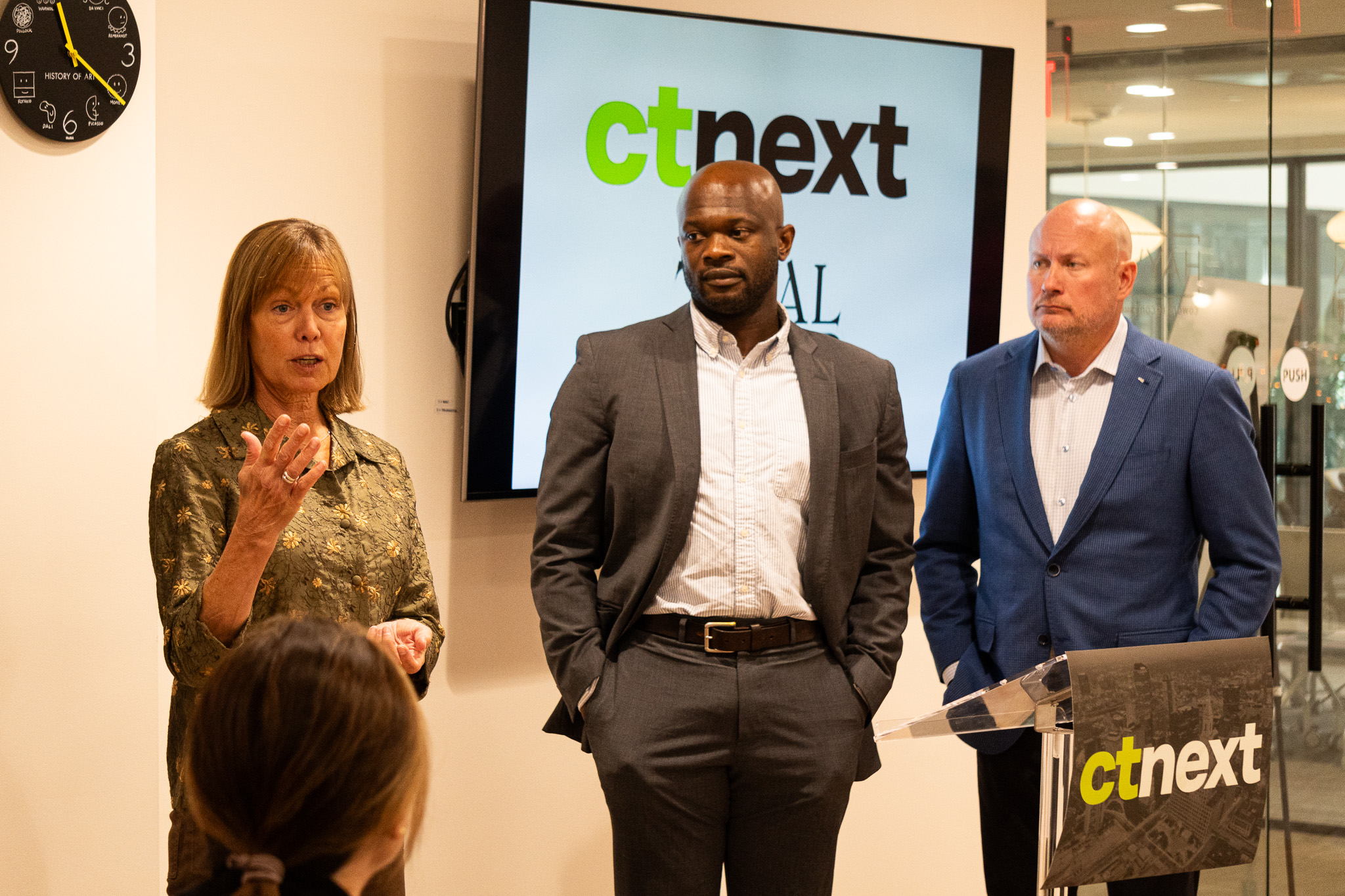
CTNext works closely with CI to build Connecticut's business community. It connects startups with mentors, shared workspaces and universities across the state. CTNext offers hands-on help when entrepreneurs need it most, focusing on making businesses bigger and stronger.
4. REX Development

Local groups back this up in different regions. For example, REX Development serves South Central Connecticut, offering practical aid and local economic insights. Similar organizations operate in Western Connecticut and Southeastern Connecticut, providing on-the-ground support tailored to their areas.
This structure works well, DECD opens the door, CI invests and targets key industries, and CTNext plus local groups give direct support. It lets the state actively boost specific business areas without typical government delays.
How Connecticut Colleges Fuel New Businesses
5. UConn - Tech And Business Support

UConn is a major driver here. Its Connecticut Center for Entrepreneurship and Innovation (CCEI) helps students, teachers, graduates and veterans launch businesses.
Programs like Accelerate UConn and the Wolff Competition give people the tools to make their ideas real. The Engineering College also has its own hub (eHub) specifically for tech ideas in health, clean energy and artificial intelligence, offering space to work together.
6. Yale - Deep Tech And Student Startups

Yale focuses on advanced technology and student-run companies. Yale Ventures runs several programs. The Tsai CITY Accelerator helps student teams build their companies with advice, training, and small grants.
A big new program, the Planetary Solutions Impact Accelerator, gives $100,000 to $250,000 grants to faculty teams working on climate change fixes. This shows Yale targets its support where it's most needed.
7. Trinity College Helps Students Start Businesses

Trinity College runs a downtown Hartford hub where students brainstorm ideas and get real work done. They give small cash grants to help turn classroom projects into actual businesses.
Students pitch their concepts in fun contests with prize money on the line. This spot becomes a natural meeting place for young founders to swap stories and advice. It’s how Trinity turns student energy into real Connecticut startups.
8. New Haven Boosts Women-Led Businesses

The University of New Haven built a hands-on program where students learn entrepreneurship by doing. Their standout event is the EntreprenHER competition, made just for Connecticut women founders.
Winners get cash prizes plus face time with mentors who’ve built companies themselves. Investors actively scout this event for promising new businesses to support. It’s become a go-to launchpad for women turning ideas into thriving ventures.
Grants For New Business Owners
9. Black Business Alliance (BBA) Grants
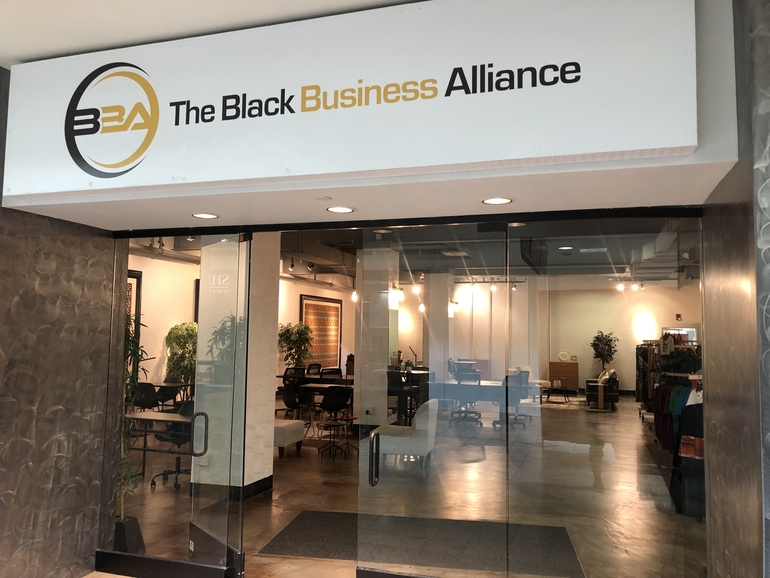
The Black Business Alliance gives up to $15,000 to minority, women, veteran, or disabled business owners. This money focuses on helping businesses in struggling Connecticut towns.
You won’t pay it back, it’s free funding to get your business moving. They prioritize owners facing the toughest economic challenges. Check their website for exact town eligibility lists. Apply early since funds run out fast.
10. Women's Business Development Council (WBDC)

Women running businesses for two+ years can get up to $10,000 through dedicated grants. Only about 100 awards go out each year across Connecticut. Applications open every January, set a reminder so you don’t miss it.
This money helps cover costs like marketing or equipment upgrades. It’s designed specifically to boost established women-led businesses. Start preparing your paperwork in December.
11. Southeastern Connecticut (seCTerRise)

Southeast CT Grants offer $10,000 for basic needs like inventory or $25,000 for expansion projects. This covers New London, Groton, and nearby shoreline towns.
At least half the funds must support minority, women, veteran, or disabled owners. Applications open just twice yearly, watch for announcements. Use it for things like storefront improvements or new product lines. Don’t wait; these move quickly when available.
12. ReSET Grants
reSET Grants give $500 to $2,000 for Hartford-area storefronts and food vendors. Fix broken equipment, add safety features or upgrade your space with this money.
You’ll also get free hands-on training about managing money or customer service. It’s perfect for quick fixes that make daily operations smoother. Apply through reSET’s simple online form. Most get decisions within weeks.
13. FORGE Product Development Grants
FORGE Product Grants provide up to $100,000 for companies making physical tech products. Think robotics, medical devices, or advanced manufacturing gear. This cash moves you from lab prototype to real production.
They help cover factory costs, materials, or testing expenses. Connecticut-based hardware startups should apply directly through FORGE. Serious funding for serious tech builders.
Loans For Small Businesses
14. Small Business Boost Fund

If you're launching a business in Connecticut, smart financing can make all the difference. These loans give you cash fast with terms that work for new companies. The Small Business Boost Loan offers $5,000 to $500,000 at a steady 4.5% rate, way better than credit card debt.
These loans specifically support businesses in neighborhoods that often get overlooked. That’s important when you’re looking at how small businesses can help improve community health and wellness. A local grocery selling fresh food, a fitness studio or a mental health clinic all need this kind of support to take root.
15. Community Economic Development Fund Loans
CEDF Loans come from a nonprofit, not a bank. You can get as little as $1,000 for tools or over $50,000 for buildings.
They consider your whole story, not just your credit score. This works well for food trucks, corner stores, or tradespeople needing vans or equipment.
16. Angel Investor Tax Credit Program
If someone invests $25,000 or more in your business, Connecticut gives them 25% of that amount back as a state tax credit. This makes investors more likely to choose your company over others.
It’s especially helpful if you’re a minority, woman, veteran or disabled business owner, investors actively look for these businesses to claim the credit. You don’t pay anything extra, the state covers the credit directly.
17. State Investment Funds

Connecticut puts serious money into three key areas, $100 million for clean energy startups like solar panels or battery tech, $50 million for AI and robotics companies, and $200 million for bioscience firms working on medical devices or drugs.
You won’t qualify with just an idea, you need real proof like paying customers, signed contracts or working prototypes. These funds target businesses ready to grow fast, not early experiments.
The state often partners with private investors, so having some outside backing helps your case. Apply through CTNext with clear milestones showing how you’ll use the money.
18. Angel Investor Forum
Local doctors, retired business leaders and successful founders meet monthly to review real startups like yours. They give honest, no-BS feedback on your pitch and business plan during these sessions. If they like what they see, they connect you directly with investors who have cash ready to deploy.
You apply through CTNext the state’s innovation office and get matched based on your industry. Most founders hear back within two weeks about if they’re selected. It’s not just about money, you gain mentors who’ve built companies themselves.
Read Also: Top Free Startup Courses And Tutorials
Incubators, Accelerators & Innovation Hubs
19. UConn’s Accelerate Program

This program helps researchers turn lab discoveries into market-ready products. Teams get hands-on training to test their ideas with real customers. Experienced mentors work closely with them week after week.
They learn how to spot real problems and build solutions people need. It’s often the first serious step for tech startups from UConn. The process builds confidence before seeking bigger investments. Many teams use this time to refine their entire approach.
20. UConn’s Venture Competition

Top student startups compete here for meaningful funding and visibility. Winning brings both cash prizes and valuable recognition across the state. It pushes teams to sharpen their pitches and business plans.
Strong entries often attract follow-up interest from investors. The competition creates energy and friendly pressure to excel. Finalists gain credibility that opens new doors quickly. This event has launched several successful Connecticut companies.
21. Yale’s Launch Pad For New Ideas

Students with early concepts find their footing here before building a full business. It’s designed for those testing if an idea could work. Participants get workspace, basic tools and casual mentor check-ins.
They connect with peers facing similar early hurdles. Short sessions cover simple ways to validate assumptions. Many use this phase to pivot or strengthen their original thought. It’s a low-pressure start before committing fully.
22. Yale’s Business Building Program

Teams ready to form real companies join this semester-long sprint. They receive grants to cover initial costs while developing their model. Dedicated advisors guide decisions about customers and operations.
Weekly meetings keep progress steady and focused. Startups leave with clearer paths to attract further funding. The structure mimics real-world deadlines and pressures. Most graduate with actionable next steps and stronger teams.
23. Yale’s Summer Startup Push

Established student ventures with early traction get intensive summer support. Full-time participants receive $20,000 to focus solely on growth. Daily workshops tackle immediate challenges like sales or hiring.
Mentors provide tailored feedback based on current roadblocks. The cohort model creates peer accountability and shared learning. Companies often secure pilot customers or partnerships during this period. It bridges the gap between campus projects and real businesses.
24. Yale’s Climate Tech Boost

Faculty-led projects tackling environmental issues access this specialized track. Significant grants up to $250,000 fund critical research and development. Experts in sustainability and engineering offer targeted guidance.
Successful projects move directly into the ClimateHaven incubator. The program connects academics with industry partners who need solutions. It turns classroom insights into tangible climate innovations. This support is vital for complex, long-term tech development.
Special Help For Specific Industries
25. STANLEY +Techstars AI Accelerator

The STANLEY + Techstars AI in Advanced Manufacturing accelerator is a fast-paced 12-week program.
It helps AI startups focused on making manufacturing smarter and cleaner. With a strong reputation and backing for 34 companies, it connects startups to valuable contacts and resources needed in this complex field.
26. 4Catalyzer
4Catalyzer operates only with healthcare startups in Guilford. They mix medicine, engineering and AI to build new health tools.
This team has a solid track record of launching real companies. You’ve likely heard of Butterfly Network, which they helped start. Quantum-Si is another successful company they built from the ground up.
27. Realist Lab Venture Launch Fellows Program

The Realist Lab Venture Launch Fellows Program gives cash during its first 12 weeks. Then, it helps a smaller group build their first working product version. This hands-on support tackles a major early challenge for new companies.
This specific focus shows Connecticut's support system is smart and effective. A manufacturer knows exactly where to go (STANLEY + Techstars) and a healthcare founder finds the right place at 4Catalyzer.
Your Business Support Team
28. SCORE Mentorship & Resources

SCORE gives new entrepreneurs free access to experienced volunteers. Backed by the U.S. government, they provide one-on-one mentoring, online workshops, and practical tools like templates and guides. Their nationwide network helps you build a solid foundation without spending a dime.
29. Connecticut Small Business Development Center
The Connecticut SBDC is your go-to for free, hands-on support right here in the state. Their advisors help you start strong, navigate early hurdles and grow sustainably. If you’re sketching your first business plan or refining operations, they offer practical expertise tailored to Connecticut’s market.
30. WBDC Mentoring & Technical Assistance

Once your business is up and running, the Women’s Business Development Council steps in with focused help. Their six-month mentorship pairs you directly with specialists in finance, marketing, or strategy. This isn’t general advice, it’s targeted support to break through specific growth barriers.
31. Spanish American Merchants Association (SAMA)

The Spanish American Merchants Association (SAMA) delivers technical support designed for Latino business owners. They help with expansion, hiring, and launching new ventures through culturally aware guidance.
Their work strengthens both individual businesses and the wider community’s economic health. This network ensures you get the right help at the right time, if you’re just starting or tackling complex challenges.
32. Connecticut Co-working Spaces & Incubators
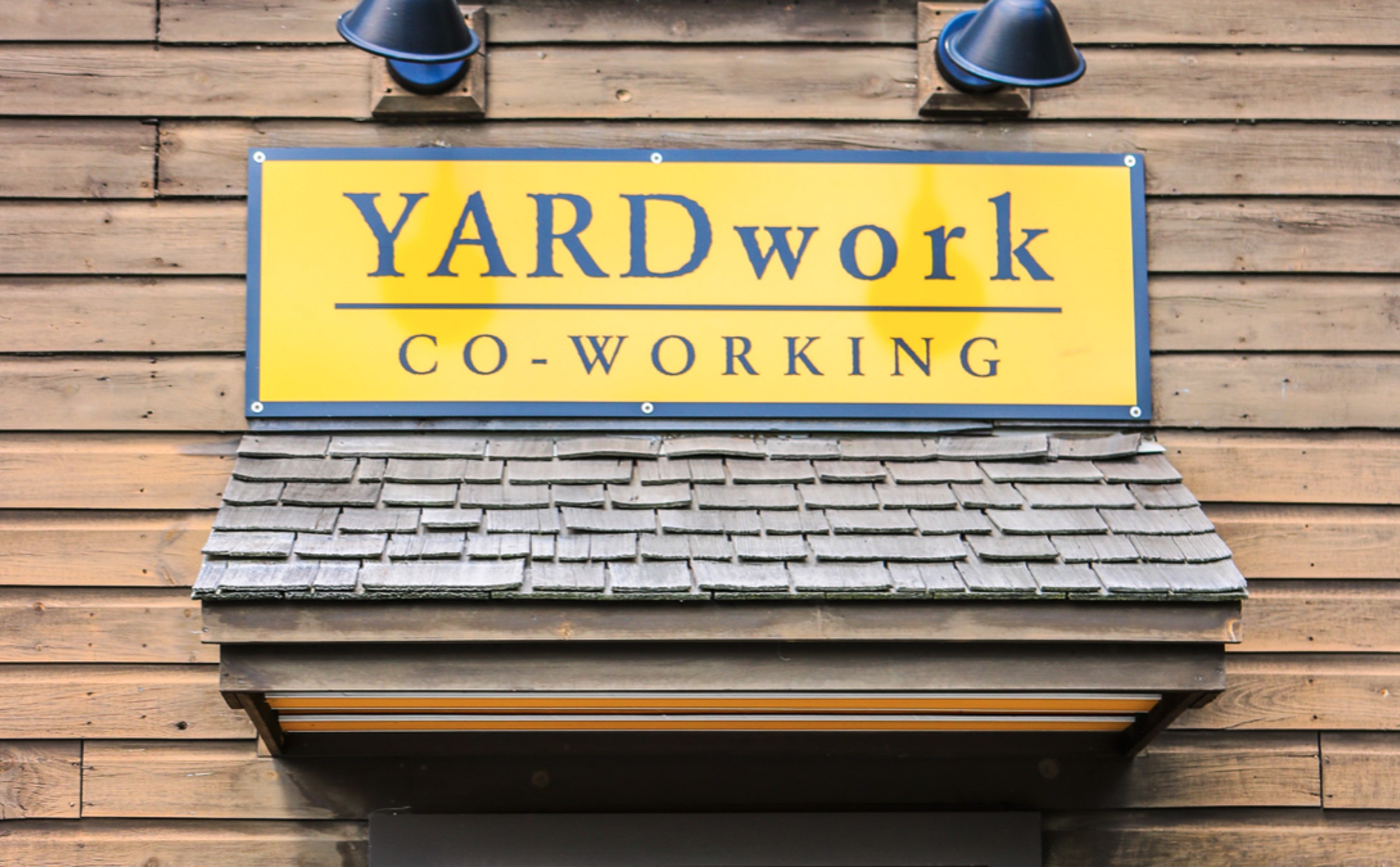
Connecticut has lots of good options for where people can work, especially for new businesses and freelancers. You'll find shared office spaces all over the state. Big names like Regus and Spaces operate here, but there are also local spots focused on community, like YARDwork in Litchfield.
- Working in these shared spaces makes sense. It usually saves new companies about a quarter on costs and can boost productivity by 84%.
- The state also supports tougher industries that need special setups. For example, the BioCT Innovation Commons in Groton is a lab space built just for biotech companies.
- UConn's Technology Incubation Programhelps turn university research into real businesses. It's helped create good jobs and bring in huge amounts of funding for new companies. Having both general shared spaces and these specialized spots shows Connecticut is serious about keeping high-value businesses and skilled people here.
FAQs About Business Startups In Connecticut
How Do I Officially Start A Business In Connecticut?
You file your paperwork with the Connecticut Secretary of State. First, pick a unique business name and find your business type code. You’ll need a registered agent with a real Connecticut address. Also, sign up for state taxes through the Department of Revenue Services to get your tax number.
What’s The Best Business Setup For My New Company?
It depends on your situation. A sole proprietorship is simplest but doesn’t protect your personal money if things go wrong. An LLC keeps your personal and business finances separate, which is safer. Corporations (like C corps or S corps) also protect you but involve more paperwork and taxes.
Are There Special Grants For Minority, Women, Or Veteran-owned Businesses?
Connecticut has programs focused on helping these groups. Some grants and support services give priority to minority, women, disabled and veteran business owners. For example, the Community Economic Development Fund.
Can I Get Free Help Writing My Business Plan?
The Connecticut Small Business Development Center (CTSBDC) gives free, private one-on-one help to build or polish your business plan. SCORE also offers free coaching and templates.
What Licenses Do I Need To Run My Business Here?
It varies based on what you’re doing, where you’re located and your business type. Even if you’re a sole owner, you might need state or local permits. Start by checking with the Department of Consumer Protection for state requirements.
How Does Connecticut’s Small Business Boost Fund Work?
Connecticut runs a loan program called the Small Business Boost Fund. You can borrow $5,000 to $500,000 at a fixed 4.5% interest rate, no extra fees. Local lenders handle the process and you get free business advice while applying.
Final Thoughts
In Connecticut, you don't have to start a business alone. Help comes in pieces, not one single fix for everyone. You pick what fits your situation. The state's Department of Economic and Community Development helps you plan.
SCORE offers free advice from experienced people. The Small Business Boost Fund and Connecticut Innovations can provide money when you need it. Know what each group does. Put their help together the right way. This gives your new business the best chance to grow strong and last.
Also Check Out: Step-by-step Guide To Starting A Home Business